
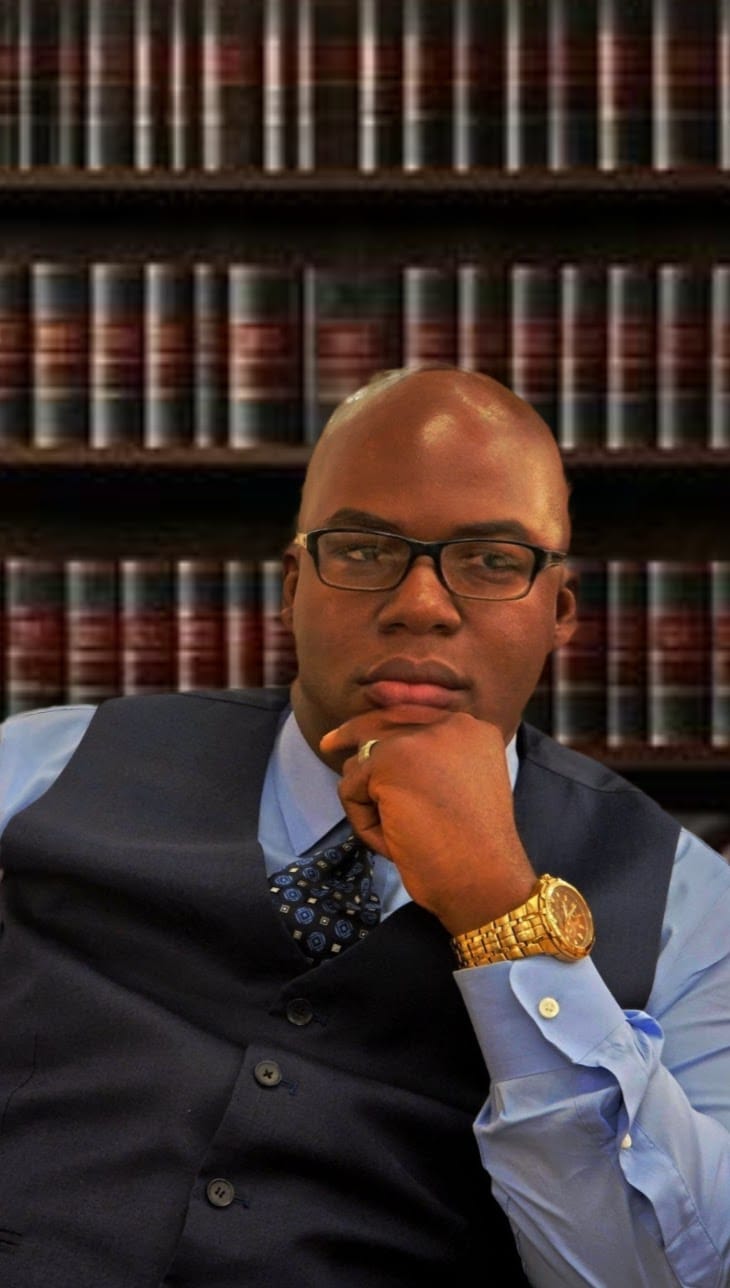
Op-Ed By Al Smith Criminal Justice, Homeland Security, and Counter-terrorism Expert Washington D.C. -Based Investigator
Guinea-Bissau: A Lesson for Crooked African Politicians Engaged in Massive Financial and Political Corruption, Including Election Theft – From where I sit, observing the political storms sweeping across Africa, one truth becomes painfully clear: far too many leaders have abandoned the sacred trust their people placed in them. Instead of building nations, they build personal empires. Instead of strengthening institutions, they deliberately weaken them for selfish gain. And instead of protecting democracy, they manipulate it for power, wealth, and unchecked control.
Across the continent from West Africa to the Great Lakes region the same tragic pattern unfolds: leaders who plunder national treasuries, weaponize state institutions, silence dissent, intimidate political opponents, and shamelessly steal elections as though the will of the people were an inconvenience to be dismissed. These behaviors do more than undermine governance; they erode the very soul and future of the nation.
Corruption is not just a financial crime it is a profound betrayal. It steals from children whose schools will never be built, from hospitals that remain without medicine, from farmers denied fair opportunity, and from youth robbed of their future. Corruption cripples nations, destroys hope, and fuels instability that lasts for generations. But Africa’s history is unyielding in its lessons: every leader who rules through corruption, fear, and deceit will eventually face a reckoning. No government built on election theft or political violence has ever stood the test of time. When leaders forget that power belongs to the people, the people ultimately remind them whether through the ballot box, the courts, or the irreversible force of public resistance.
True leadership is not measured by how long one clings to power, but by what one leaves behind. Some African leaders will be remembered for strengthening their nations. Others will be remembered only for the damage they caused. Corruption may fill private bank accounts, but it empties public trust. It may purchase momentary loyalty, but it secures permanent disgrace. No amount of stolen wealth can wash away the shame of broken public trust.
As several African nations prepare for elections, the lesson from Guinea-Bissau and from countless other chapters in our continent’s political history is unmistakable: From the bustling cities to the deepest rural communities, the people are watching. Civil society is watching. The international community is watching. Any attempt to cheat, manipulate, intimidate, or steal elections will carry a heavy and inevitable cost.
Today’s African citizens are more informed, more connected, and more determined than any generation before them. Attempts to rig elections no longer happen in silence. Communities speak. Technology exposes. Youth rise. And once the people withdraw their consent, even the most powerful tyrant becomes weaker than a leaf tossed by the wind. Africa deserves leaders who understand that political power is not a personal inheritance it is a temporary responsibility. Leadership is not a birthright; it is a privilege granted by the people. And that privilege must be earned through service, humility, integrity, and accountability.
The continent cannot move forward under rulers who cling to office through fear, corruption, and manipulation. Africa moves forward under statesmen, men and women of conscience who govern with purpose, who strengthen democratic institutions, who respect the constitution, and who understand that a leader’s legacy is measured not in wealth accumulated but in lives uplifted. Power is borrowed. Accountability is inevitable. And history, without mercy, records everything. The time has come for African leaders to decide what they wish to be remembered for: the corruption that kept their nations weak or the courage that helped their nations rise.

