The international community must not look away as Liberia enters a perilous chapter in its democratic journey. The country now stands at a dangerous crossroads—one where the rule of law appears increasingly distorted into an instrument of repression, dissent is allegedly criminalized, and the fundamental dignity and safety of citizens are placed under existential threat. What is unfolding is not merely a domestic governance concern; it is a matter of international human rights, regional stability, and the integrity of democratic norms in post-conflict states.
Across Liberia, credible reports, eyewitness testimonies, and civil society documentation point to an emerging pattern of selective justice, politically motivated prosecutions, and the militarization of law enforcement. These actions, critics argue, are being carried out under the cloak of legality and national security but are in reality designed to intimidate, silence, and neutralize opposition voices, activists, journalists, and perceived critics of the government. Of particular concern are serious allegations of extrajudicial killings, notably in Kinjor, Darblo Clan, Gola Konneh District, Grand Cape Mount County, as well as other strategic locations across the country. These incidents have deeply shaken public confidence and raised urgent questions about the conduct of security forces. Disturbingly, instead of transparent, independent, and credible investigations into these killings—as required under Liberia’s Constitution and international human rights treaties—there appears to be an intensified effort to pursue political opponents and outspoken critics through arrests, prosecutions, and judicial harassment. This imbalance in state action signals a troubling erosion of justice priorities and institutional integrity.
Equally alarming are persistent allegations of torture, cruel, inhuman, and degrading treatment, and abuse of detainees, reportedly perpetrated by elements of the national security apparatus. Survivors, human rights advocates, and civil society organizations allege that such abuses occur within a climate of fear, silence, and near total impunity. These allegations
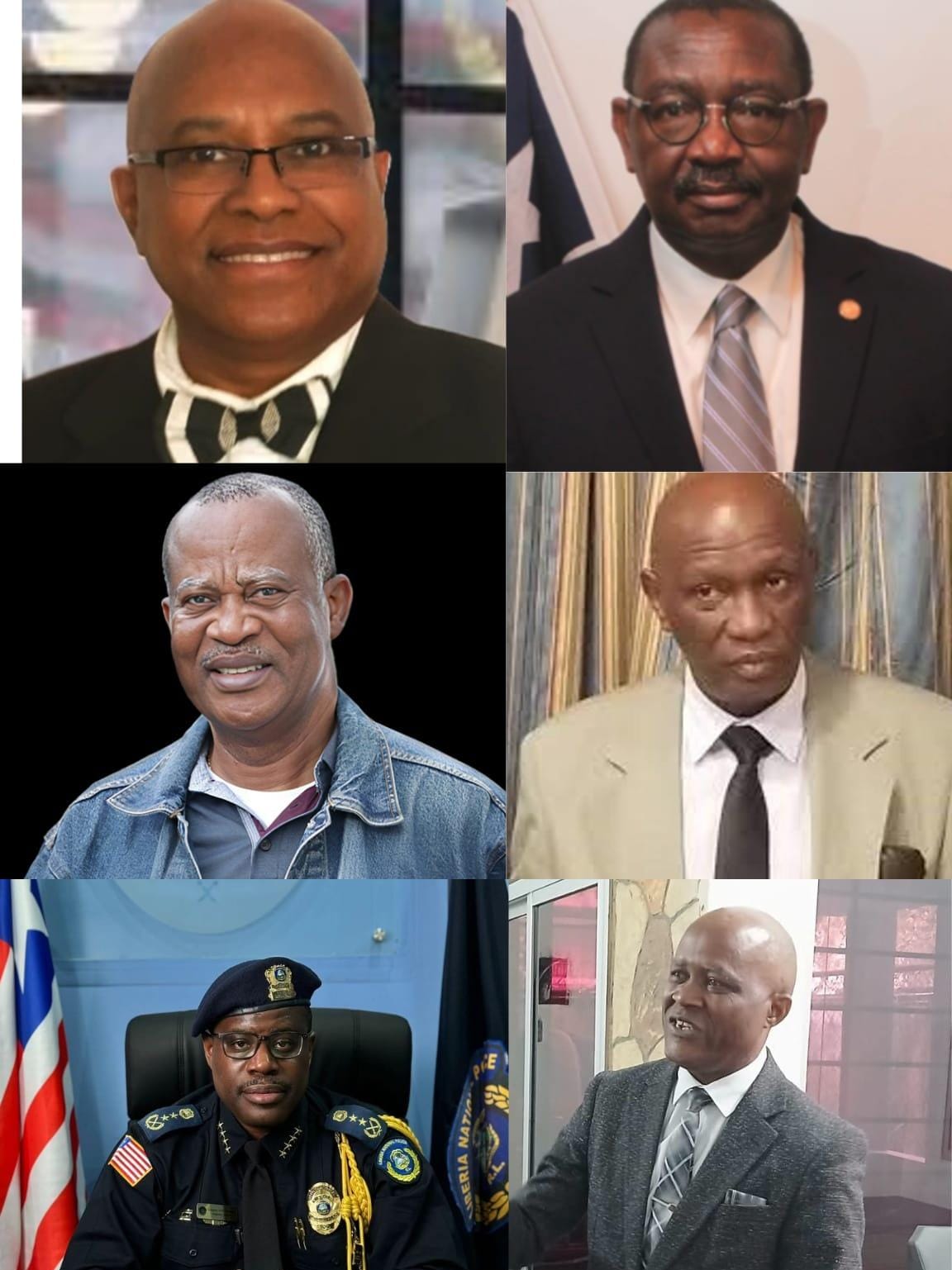
suggest not isolated misconduct by rogue officers, but a systemic failure—if not complicity—at the highest levels of authority. Within this deeply troubling context, senior officials of the Government of Liberia—including Atty. Samuel Kofi Woods, National Security Advisor; Cllr. N. Oswald Tweh, Minister of Justice; Cllr. Bushuben Keita, Legal Advisor to the President and Solicitor General of Liberia; Cllr. Augustine C. Fayiah, Chairman of the Assets Recovery and Property Retrieval Taskforce (AREPT); Cllr. Edwin Kla Martin; and Col. Gregory O. W. Coleman, Inspector General of the Liberia National Police—have become the subject of grave and recurring allegations relating to the abuse of state power to suppress dissent. Critics and civil society actors allege that, under the direct influence, authorization, or tacit approval of senior civilian officials, elements of the security sector—led by Col. Gregory O. W. Coleman and individuals acting under his authority—have engaged in arbitrary arrests, intimidation, enforced disappearances, torture, and other serious human rights violations. These actions are widely perceived not as legitimate law enforcement, but as part of a coordinated and organized campaign to weaponize the security and judicial infrastructures of the state.
This alleged campaign is increasingly described by Liberian civil society as an organized witch-hunt, aimed at strengthening coercive state power while weakening judicial independence. The intent, critics argue, is to hunt down critical voices, neutralize political opposition, and manipulate the democratic space in preparation for the 2029 general elections. If true, these actions represent a direct assault on constitutional governance, electoral integrity, and the sovereign right of Liberians to choose their leaders freely and without fear. The cumulative impact of these alleged abuses cannot be overstated. Left unchecked, they risk reversing Liberia’s hard-won post-war democratic gains and plunging the country into a system where power is maintained through intimidation rather than consent. The politicization of justice institutions erodes public trust, undermines the separation of powers, and delegitimizes electoral processes long before ballots are cast. Such trajectories have historically proven catastrophic—not only for Liberia, but for the wider West African region.
Liberia’s painful history stands as a stark warning. The international community has seen before what happens when early signs of repression are ignored, when impunity is tolerated, and when dissent is crushed under the weight of state power. The cost of inaction is always higher than the cost of timely intervention. We therefore issue an urgent appeal to the United Nations, the African Union, ECOWAS, the United States Department of State, the United States Department of the Treasury, the European Union, and international human rights organizations to take immediate and decisive notice of the situation in Liberia. There is a compelling and urgent need for independent, international investigations into allegations of extrajudicial killings, torture, selective prosecution, and the abuse of national security and judicial institutions for political ends. Domestic mechanisms, under present conditions, lack the independence and public confidence required to address these allegations credibly. Furthermore, we strongly urge the international community to consider the immediate application of targeted sanctions, including travel bans and asset freezes, against public officials credibly implicated in serious human rights abuses or in the deliberate subversion of the rule of law, pending the outcome of impartial investigations. Such measures are not punitive against the Liberian people; rather, they are protective and preventive tools, designed to deter further abuses, preserve democratic space, and uphold international human rights standards. The Liberian government has already faced mounting public criticism over economic mismanagement, corruption, and declining transparency, contributing to a sharp erosion of public trust. Against this backdrop, allegations of state repression further deepen national frustration and heighten the risk of instability.
The Panoramic Justice Group, alongside other civil society actors, is committed to promoting accountability, transparency, and respect for human dignity. The organization is actively advocating for a comprehensive international investigation and is engaging with U.S. government institutions—including the Department of Justice and the Department of State—as well as other international partners, to explore lawful and effective actions to halt this dangerous trajectory. The message to the world is clear and unequivocal: human rights are not negotiable; justice must never be selective; democracy must be defended before it is dismantled. The time to act is now. History will judge not only those who commit abuses, but also those who had the
power to intervene—and chose silence. The world must stand with the people of Liberia and demand an immediate halt to this descent into repression, impunity, and state-sponsored lawlessness.
Authored by:
Dr. D. Garkpe Gedepoh
U.S Marine (RTD)
Executive Director
Panoramic Justice Group
1629 K Street NW Suite # 300 Washington DC 20006

