
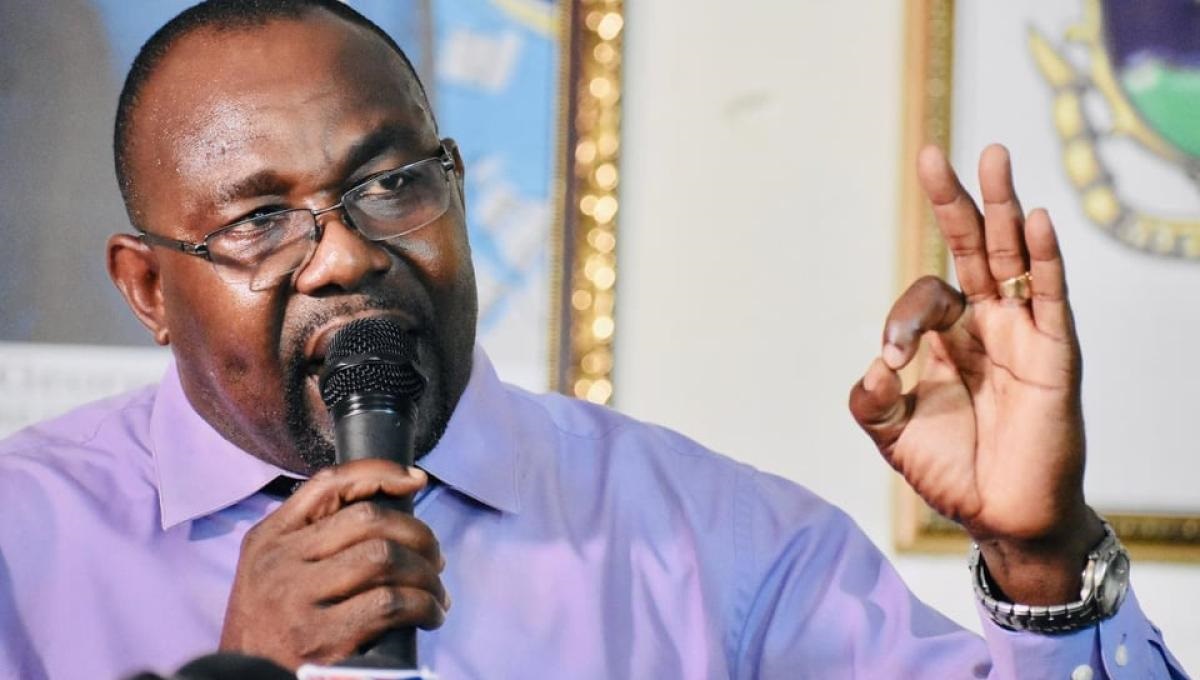
The Liberia Broadcasting System (LBS) has made the tough call to halt its media coverage of the Ministry of Information, Cultural Affairs and Tourism’s (MICAT) press briefings due to outstanding debts owed by MICAT. This move echoes a similar situation at the Executive Mansion, where LBS Director General Eugene Fahngon has warned of a potential media blackout.
The suspension of media coverage, along with the possibility of extending the blackout at the Executive Mansion, could have serious consequences. It risks limiting access to vital information and may undermine government transparency. These restrictions on information about government policies and decisions could hinder public awareness, making it harder for citizens to stay updated on crucial issues. As LBS seeks a sustainable resolution with MICAT, the ongoing situation at the Executive Mansion raises concerns for advocates of media freedom and government transparency.
The Liberia Broadcasting System serves as the state-owned radio and television network for Liberia, with the mission of informing and educating the public. It plays a vital role in public communication, bolstering democracy, civic engagement, and public discourse. LBS is also essential for sharing information during crises and emergencies.
Primarily funded by public resources, LBS also generates a small portion of its revenue from commercial activities like airtime sales and advertising. Additionally, the station benefits from foreign aid, particularly from China, which has helped enhance its equipment and infrastructure.
Human Rights groups have consistently accused LBS of censoring opposition parties. Just last year, Director General Eugene L. Fahngon declared that the state broadcaster would not air jingles from the Congress for Democratic Change, even though the opposition had already paid for the airtime and LBS had accepted the payment.
Fahngon stood by his decision, explaining that LBS won’t support content that glorifies militancy. He pointed out the CDC’s violent past, which includes the brutal treatment of peaceful citizens and protesters. Fahngon made it clear that while LBS will allow everyone to share their jingles, they will draw the line at anything that promotes militancy or violates human rights.
On July 7, 2025, Director General Eugene Fahngon issued a warning about potentially imposing a media blackout on foreign embassies, including the US Embassy, claiming they weren’t contributing enough financially to LBS’s revenue. This remark came after the Chinese Embassy, accredited near Monrovia, generously donated computers, printers, and other equipment to the Liberia Broadcasting System.

